
Introduction
Depression, a silent companion that affects millions worldwide, is a complex and debilitating mental health condition. It casts a shadow over one’s life, impacting emotions, thoughts, and daily functioning. While depression can feel overwhelming and isolating, it is crucial to understand that you are not alone in this journey. This blog aims to shed light on depression, its causes, symptoms, and most importantly, provide insights and strategies to navigate through the darkness towards healing and recovery.
Understanding Depression
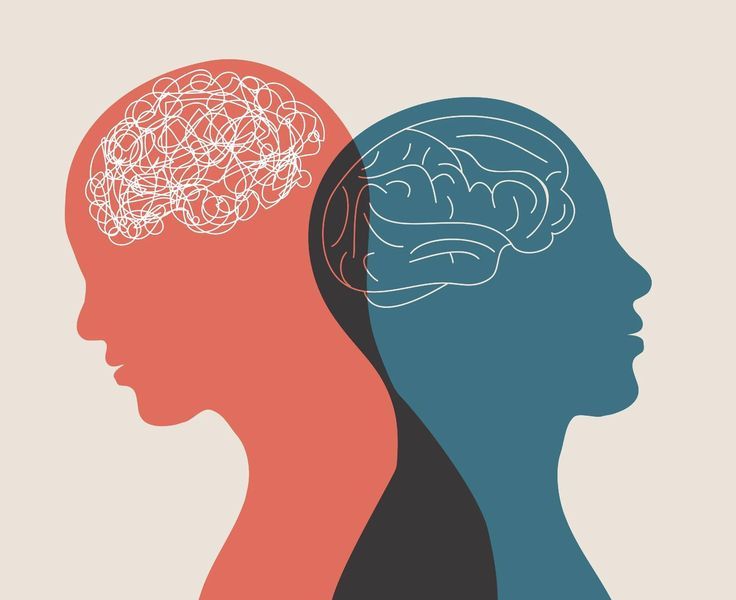
Depression is more than just feeling sad or going through a rough patch. It is a medical condition that affects the brain and can manifest in various ways. Its causes are multifaceted, with factors such as genetics, brain chemistry, life events, and personality traits contributing to its development. Depression can occur at any age and affects people from all walks of life.
Recognizing the Symptoms
Depression presents itself differently in each individual, but common symptoms include persistent feelings of sadness, emptiness, or hopelessness, loss of interest in activities once enjoyed, changes in appetite and weight, sleep disturbances, difficulty concentrating, fatigue, irritability, and thoughts of self-harm or suicide. It is important to note that depression is a clinical condition, and seeking professional help is crucial for an accurate diagnosis and appropriate treatment.
Breaking the Stigma
One of the biggest barriers to addressing depression is the stigma attached to mental health. Society often misunderstands or trivializes depression, dismissing it as a weakness or a mere emotional state. However, it is essential to challenge these misconceptions and foster a culture of empathy and support. Depression is a real illness that requires understanding, compassion, and appropriate treatment.
Seeking Professional Help
If you suspect you may be experiencing depression, reaching out to a mental health professional is a vital step in your journey to recovery. Mental health professionals, such as therapists, psychologists, or psychiatrists, are trained to diagnose and treat depression effectively. They can provide a safe and non-judgmental space for you to express your thoughts and emotions, while also guiding you towards evidence-based therapies and, if necessary, medication.
Building a Support Network
In addition to professional help, building a strong support network is crucial when dealing with depression. Friends, family, or support groups can offer understanding, encouragement, and a listening ear during difficult times. Sharing your struggles with trusted individuals can help alleviate feelings of isolation and provide a sense of belonging.
Self-Care and Lifestyle Changes
While professional support and a strong support network play significant roles, self-care and lifestyle changes also contribute to managing depression. Engaging in regular physical exercise, adopting a balanced and nutritious diet, getting enough sleep, and practicing stress-reducing techniques like meditation or deep breathing exercises can positively impact your mood and overall well-being.
Cultivating Positive Coping Mechanisms
Developing healthy coping mechanisms is essential when facing depression. Engaging in activities that bring joy or a sense of accomplishment, such as hobbies, art, music, or writing, can serve as powerful tools in managing depressive symptoms. Additionally, practicing relaxation techniques, mindfulness, and self-compassion can foster resilience and help navigate the challenges that arise along the path to recovery.
Embracing Therapy and Medication
Therapeutic approaches, such as Cognitive-Behavioral Therapy (CBT) and Interpersonal Therapy (IPT), have proven effective in treating depression. These therapies aim to identify negative patterns of thinking and behavior and develop healthier alternatives. In some cases, medication, such as antidepressants, may be prescribed to help restore the chemical imbalances in the brain. It is important to work closely with a healthcare professional to find the right treatment plan for your specific needs.
Conclusion
Depression can be a formidable adversary, but it is not insurmountable. With the right support, professional help, self-care, and a resilient mindset, it is possible to navigate through the depths of depression and emerge into the light of recovery. Remember, seeking help is not a sign of weakness but a courageous step towards reclaiming your life. Reach out, share your burden, and believe in the possibility of healing. You are not alone, and there is hope for a brighter tomorrow

This very informative information thanks for sharing